Select your language

  • johnmini 2

    John D. Thompson

    Directeur de recherches, première classe

    This email address is being protected from spambots. You need JavaScript enabled to view it.

    Programme de recherche

    Depuis le début ma carrière de scientifique à Montpellier en 1989 mes recherches se placent toujours dans le cadre historique, bio-géographique et paysager particulièrement fascinant de la région Méditerranéenne et se focalisent sur l’écologie, l’évolution et la conservation de la flore.

    Dans cette région les changements historiques et contemporains pourraient avoir des conséquences profondes aussi bien pour la dynamique et la viabilité des populations et des communautés, que pour la capacité de réponse évolutive rapide des espèces, aspect scientifique trop souvent négligé. n élément clé dans mes recherches concerne mon investissement dans une recherche qui s'articule autour de collaborations interdisciplinaires très étroites (sciences humaines) et l'animation d'une interface fonctionnelle entre problématique scientifique et enjeux de conservation.

    Ces recherches s’articulent autour des thèmes suivants :

    • L’application de notre connaissance sur l’évolution de la flore à la conservation conservation du potentiel évolutif.
    • L’ évaluation de l’état de conservation des populations d’espèces rares, endémique où en limite d’aire.
    • La connaissance de la niche fine des espèces en tant que connaissance fondamentale pour la gestion de la flore.
    • L’analyse des interfaces entre connaissances écologique, perceptions culturelles et savoirs-faire locaux (notamment pour la cueillette) dans la conservation de la flore.

    Actuellement je mène des recherches dans le cadre du programme « Transitions écologiques et flore protégée : la gestion conservatoire à l’échelle de la niche (TRANECOL) financé par l’OFB et le CEMEB. Ce programme a pour but d’analyser la variabilité de la niche des espèces végétales protégées en situations de transitions écologiques où le fonctionnement des milieux est particulièrement contrasté en région méditerranéenne: en l’occurence la mosaïque de milieux côtiers où la micro-topographie et la salinité varie de manière très forte sur des espaces très restraints, les gradients d’altitude en arrière pays et sur les écotones entre grands types de substrat. L’objectif ici est d’informer les stratégies et actions des gestionnaires sur l’importance d’identifier la niche écologique des espèces à l’échelle très fine du fonctionnement des individus en milieu hétérogène.

    Notre travail se fait en étroite collaboration avec les gestionnaires dans trois contextes :

    • le territoire du Parc National du Mercantour,
    • la Réserve Naturelle Régionale de Sainte Lucie et d’autres sites sur le territoire du Parc Naturel Régional de la Narbonnaise en Méditerranée,
    • le site Natura 2000 de la Grande Maïre à Portiragnes dont la gestion est attribuée à la Communauté d’Agglomération Hérault Méditerranée et d’autres espaces de près salés sur le pourtour Méditerranéen.

    Plant Evolution in the Mediterranean

    My first book - Plant Evolution in the Mediterranean - was published in 2005. It provided the first synthetic account of the majors processes of evolution in the Mediterranean flora in relation to the history and ecology of the region. It analyzed patterns of species’ distributions and traits in the evolution of the remarkable diversity and degree of endemism that characterize the Mediterranean flora.

    CoverfrontminiEver since 2005 here has been an immense amount of new and fascinating work on the history, ecology, and evolution of the Mediterranean flora. During this time, human impacts have continued to increase dramatically, significantly influencing both the ecology and evolution of the region’s biota.

    My second book, Plant Evolution in the Mediterranean - Insights for conservation, published in 2020 represents a comprehensive update on these issues.

    This is not a traditional book on plant evolution, but rather a novel integration of a diverse and scattered literature to produce a synthetic account of Mediterranean plant evolutionary ecology that maintains the accessible style of the previous version but in a new structural framework. History, ecology, biogeography, and evolution are all set in the context of a dramatically increasing footprint. I argue how an understanding of the evolutionary ecology of the region’s flora can be used to provide insights into its conservation and management.


    Conseils scientifiques

    Sur le thème de la protection de la nature en région Méditerranéenne et ces montagnes, j’ai établi les liens très forts avec les gestionnaires de sites et d’aires protégées. Cet engagement se concrétise par mon rôle en tant que président de deux conseils scientifiques et membre de deux autres.

    • Président

    Conseil scientifique du Parc National du Mercantour

    Conseil scientifique du Parc Naturel Régional de la Narbonnaise en Méditerranée

    • Membre

    Conseil scientifique du Conservatoire Botanique National Méditerranéen

    Conseil scientifique du Parc National des Calanques


    A lire

    Raevel, V., Munoz, F., Pons, V., Renaux, A., Martin, A. & Thompson, J.D. 2013. Changing assembly processes during a primary succession of plant communities on Mediterranean roadcuts. Journal of Plant Ecology, 6, 19-28.

    Thompson, J. D., Charpentier, A., Bouguet, G., Charmasson, F., Roset, S., Buatois, B., Vernet, P. & Gouyon, P.-H. 2013. Evolution of a genetic polymorphism with climate change in a Mediterranean landscape. Proceedings of the National Academy of Science (USA), 110, 2893-2897.

    Gauthier, P., Foulon, Y., Jupille, O. & Thompson, J.D. 2013. Quantifying vulnerability to assess priorities for conservation management. Biological Conservation,158, 321-325.

    Berjano R., Gauthier P., Fisogni A., Doblas, D., Pons V. & Thompson J.D. 2013. Mate limitation in populations of the endangered Convolvulus lineatus L.: a case for genetic rescue ? Journal for Nature Conservation, 21, 334-341.

    Schatz, B. Gauthier, P. Debussche, M. & Thompson, J.D. 2014. A decision tool for listing species for protection on different geographic scales and administrative levels. Journal for Nature Conservation, 22, 75-83

    Borie, M., Mathevet, R., Letourneau, A., Ring, I., Thompson,J.D. & Marty, P. 2014. Exploring the contribution of fiscal transfers to protected area policy. Ecology and Society, 19(1): 9. http://dx.doi.org/10.5751/ES-05716-190109

    Mathevet, R., Thompson, J.D., Folke, C. & Chapin III, F.S. 2016 Protected areas and their surrounding territory: socio-ecological systems in the context of ecological solidarity. Ecological Applications, 26, 5-16.

    Pironon, S. Papuga, G., Villellas, J., Angert, A.L., García, M.B. & Thompson, J.D. 2017. Geographic variation in genetic and demographic performance: new insights from the analysis of an old biogeographical paradigm. Biological Reviews, 92, 1877-1909.

    Bigard, C., Pioch, S. & Thompson, J.D. 2017. The inclusion of biodiversity in impact assessment for urban development projects: policy-related progress limited by gaps and blurred by semantic confusion. Journal of Environmental Management, 200, 35-45.

    Vimal, R., Fonderflick, J., Thompson, J.D., Pluvinet, P., Debussche, M., Cheylan, M., Géniez, P., Mathevet, R., Acquarone, A., & Lepart, J. 2018. Integrating habitat diversity into species conservation in the Mediterranean mosaic landscape. Basic and Applied Ecology, 22, 36–43. 

    Thompson, J.D., Gauthier, P., Papuga, G., Pons, V., Debussche, M. & Farris, E. 2018. The conservation significance of natural hybridisation in Mediterranean plants: from a case study on Cyclamen (Primulaceae) to a general perspective. Plant Biology, 20 (Suppl. 1), 128-138.

    Papuga, G. Gauthier, P., Pons, V., Farris, E. & Thompson, J.D. 2018. Eological niche differentiation in peripheral populations: a comparative analysis of eleven Mediterranean plant species, Ecography, 41, 1-15.

    Thompson, J.D., Amiot, J., Borron, C., Linhart, Y.B., Keefover-Ring, K. & Gauthier, P. 2019. Spatial heterogeneity of gall formation in relation to chemotype distribution in Thymus vulgaris.Plant

    Gauthier, P., Bernard, C. & Thompson, J.D. 2019. Assessing landscape vulnerability for populations of listed Mediterranean plants. Journal for Nature Conservation,51, Article 125736.

    Gauthier, P., Pons, V., Fisogni, A., Murru, V., Berjano, R., Dessena, S. Maccioni, A., Chelo, C., Doncieux., A., Papuga, G. & Thompson, J.D. 2019. Monitoring population dynamics in rare and endangered Mediterranean plants. Journal for Nature Conservation,52, Article 125758.

    Bigard, C., Thiriet, P., Pioch, S. & Thompson, J.D. 2020. Strategic landscape-scale planning to improve mitigation hierarchy implementation: an empirical case study in Mediterranean France. Land-Use Policy, 90, Article 104286.

    Thompson, J.D. & Mathevet, R. 2017. Solidarité écologique. Espaces Naturels, 58, 13.

    A regarder

    Fleurs sauvages de la Méditerranée, « Sous le soleil ». ARTE 2019 https://www.arte.tv/fr/videos/069769-001-A/les-secrets-des-fleurs-sauvages-sous-le-soleil/


  • Directeur de Recherche CNRS

    CNRS Senior scientist

    INSB/INEE

    Section 28 CNRS - Brain, Behavior & Cognition

    email: julien[dot]renoult[at$]cefe[dot]cnrs[dot]fr

    P8120477 copie

    Julien RENOULT

    CEFE-CNRS, 1919 route de Mende

    34293 Montpellier 5 FRANCE

    Last update: Nov 6th 2025


    GO DIRECTLY TO:  Who am I?Main research projectsPublications

    *****

    Research areas

    - evolution and diversification of animal color patterns 

    - evolutionary & computational aesthetics (aesthetic theory of efficient processing applied to artworks, plants and animals)

    - processing bias (sparse coding, efficient categorization)

    - models of animal vision (colour vision, pattern recognition)

    - proximate mechanisms of mate choice

    - Methods: Artificial intelligence for neuroscience and evolutionary ecology


    Who am I?

    I am an evolutionary biologist, cognitive scientist and naturalist. My main objective is to understand how do evolve complex and extravagant visual signals such as the eyespots of the peacock, the danse of the birds of paradise, and some artworks in humans. My research hypothesis is beauty. Using approaches of empirical psychology, computational neuroscience, artificial intelligence and philosophy of aesthetics, my goal is to identify the biological mechanisms underlying the beauty judgment in order to develop mechanistic models that predict this judgement. I then transfer these models to other animals to understand how beauty influences behaviors and, ultimately, the evolution of communication signals in nature.

    I am also working on methods to characterize visual phenotypes, with applications in community ecology, evolutionary biology and systematics. I am particularly interested in how to use artificial intellgience to describe visual phenotypes and to model animal vision.

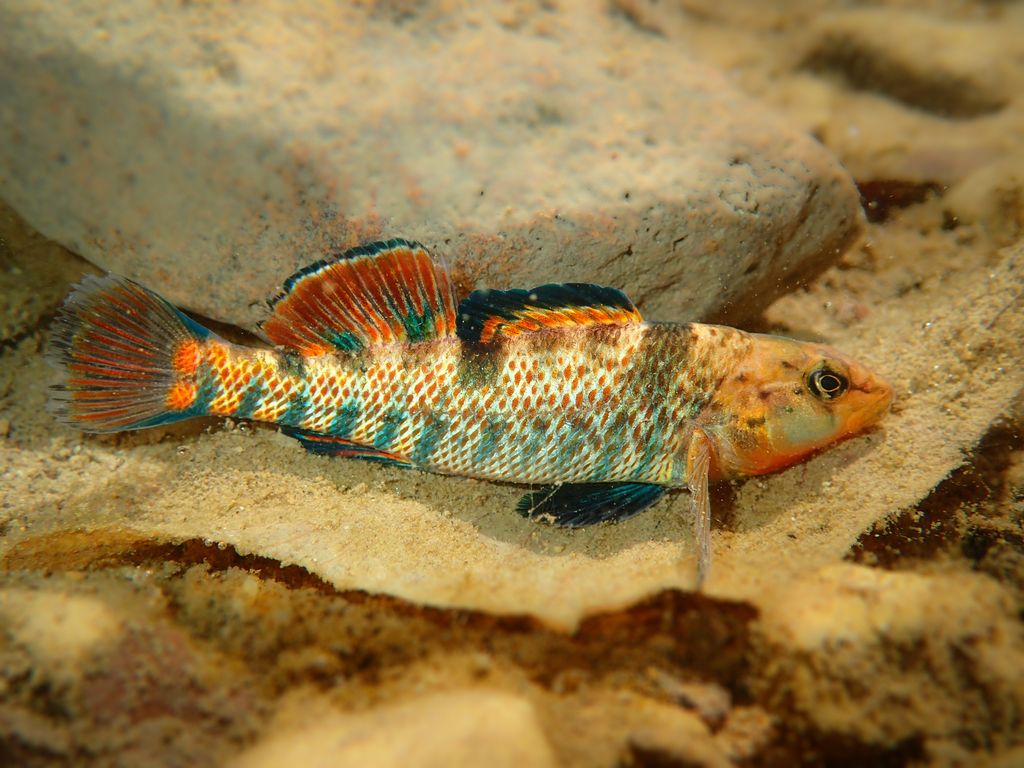
    I am also conducting or participating to several research projects in ornithology and ichthyology (fish, and in particular gobies, of the Northeastern Atlantic and the Mediterranean region). 


    Main research projects

    WildCom-AI (ANR 2020-2025) - Artificial Intelligence for Studying Communication in Wild Animals (PI: J Renoult)


    Darters (NSF 2020-2025)- Preferences, information theory, and the evolution of signal design (PI: T Mendelson & J Renoult) 


    BIRDHABITAT-PATTERN (2025-2026) - AI for studying the role of habitat in the diversification of bird plumage color patterns. With Chris Cooney (Univ Sheffield), Maximilien Servajean (UMR LIRMM) & Jérome Pasquet (UMR TETIS). CNRS programm AISSAI. 


    GO DIRECTLY TO:

    Visual ecology & evolution

    Cognitive science/Computational neuroscience/Empirical Aesthetics

    Marine biology

    Others (mostly phylogenetics, population genetics and natural history)


    ----------------------------------------------

    Visual ecology & evolution

    RENOULT, J. P., KARPINSKI, R., SAUVADET, L., KREYER, M., MBADOUMOU, R., ROURA-TORRES, B., BANIEL, A, CHARPENTIER, M. J. E. (2025). Vision transformers for age prediction from facial images in a wild primate. Methods in Ecology and Evolutionhttps://doi.org/10.1111/2041-210X.70187

    DIBOT, N. M., RENOULT*, J. P., & PUECH*, W. (2025). Generation and Editing of Mandrill Faces: Application to Sex Editing and Assessment. ACM Transactions on Multimedia Computing, Communications and Applications, 21(8), 1-23. [PDF]

    SILVA, N.J., FERREIRA, A. C., SILVA, L. R., PERRET, S., TIEO, S., RENOULT, J. P., COVAS, R., DOUTRELANT, C. (2025).  A deep learning approach to detect and visualise sexual dimorphism in monomorphic species. Animal Behaviour. 25: 123223.

    ARIAS, M., BEHRENDT, L., DRESSLER, L., RAKA, A., PERRIER, C., ELIAS, M., GOMEZ, D., RENOULT, J.P., TEDORE, C. (2024). Testing the equivalency of human “predators” and deep neural networks in the detection of cryptic moths. Journal of Evolutionary Biology. 38, 214-224. https://doi.org/10.1093/jeb/voae146

    HÉJJA-BRICHARD, Y. H., RAYMOND, M., CUTHILL, I. C., MENDELSON, T. C., & RENOULT, J. P. From natural to sexual selection: Revealing a hidden preference for camouflage patterns. bioRxiv, https://doi.org/10.1101/2023.09.27.559753

    HÉJJA-BRICHARD, Y., MILLION, K., RENOULT, J. P.*, & MENDELSON, T. C.* (2024). Using neural style transfer to study the evolution of animal signal design: A case study in an ornamented fish. Ecological Informatics,https://doi.org/10.1016/j.ecoinf.2024.102881

    HEJJA-BRICHARD, Y., RENOULT, J., & MENDELSON, T. (2024). Comparative analysis reveals assortative mate preferences in darters independent of sympatry and sex. Ecology & Evolution14(10), e11498.

    TIEO, S., DEZEURE, J., CRYER, A., LEPOU, P., CHARPENTIER, M. J., & RENOULT, J. P. (2023). Social and sexual consequences of facial femininity in a non-human primate. Iscience26(10).

    BYBEE, S.M., FUTAHASHI, R., RENOULT, J.P., SHARKEY, C., SIMON, S., SUVOROV, A., WELLENREUTHER, M. (2023). Transcriptomic insights into Odonata ecology and evolution. In Dragonflies and Damselflies, 2nd Ed. (CORDOBA-AGUILA, A., BEALTY, C.D., BRIED, J.T.). Oxford University Press. [Book chapter] [PDF]

    CHARPENTIER, M.J.E, POIROTTE, C., ROURA-TORRES, B., AMBLARD-RAMBERT, P., WILLAUME, E., KAPPELER, P.M., ROUSSET, F., RENOULT, J.P. (2022) Mandrill mothers associate with infants who look like their own offspring using phenotype matching. Elife. 11, e79417

    LANGLOIS, J., GUILHAUMON, F., BALETAUD, F., CASAJUS, N., […], RENOULT, J.P., […], MOUQUET, N. (2022). Global mismatch between the aesthetic value of reef fishes and their conservation priorities. Plos Biology20(6):e3001640.

    HULSE S.V., RENOULT, J.P., MENDELSON T.M. (2022). Using deep neural networks to model similarity between visual patterns: application to fish sexual signals. Ecological Informatics67:101486 [PDF]

    CHARPENTIER M.J., HARTE M., POIROTTE C., DE BELLEFON J.M., LAUBI B., KAPPELER P.M., RENOULT J.P. (2020). Same father, same face: deep-learning reveals paternally-derived signalling of kinship in a wild primate. Science Advances. 6, eaba3274. [PDF]

    DUFOUR P., GUERRA CARANDE J., RENAUD J., RENOULT J.P., LAVERGNE S., CROCHET P.-A. (2020). Plumage colouration in gulls responds to their non-breeding climatic niche. Global Ecology and Biogeography. 29: 1704-1715. [PDF]

    JOFFARD N., LE RONCE I., LANGLOIS A., RENOULT J.P., BUATOIS B., DORMONT L., & SCHATZ B. (2020). Floral trait differentiation in Anacamptis coriophora: phenotypic selection on scents, but not on colour. Journal of Evolutionary Biology. 33: 1028-1038.

    BLIARD L., PAQUET M., ROBERT A., DUFOUR P.,
 RENOULT J.P.,
 GREGOIRE A., CROCHET P.-A., COVAS R., DOUTRELANT C. (2020). Examining the link between relaxed predation and bird colouration on islands. Biology Letters. 16: 20200002.

    FERREIRA A.C., SILVA L.R., RENNA F., BRANDL H.B., RENOULT J.P., FARINE D.R., COVAS R., DOUTRELANT C. (2020). Deep learning-based methods for individual recognition in small birds. Methods in Ecology & Evolution. 11: 1072-1085.

    DE SOLAN T., RENOULT J.P., GENIEZ P., DAVID P., & Crochet P.A. (2020). Looking for mimicry in a snake assemblage using deep learning. The American Naturalist. 196: 74-86. [PDF]

    HULSE S.V., MENDELSON T.C.*, RENOULT J.P.*. (2020). Sexual signals of fish species mimic the spatial statistics of their habitat: evidence for processing bias in animal signal evolution. Nature Communications. 11: 1-8. [

    RENOULT J.P., KELBER A., SCHAEFER H.M. (2017). Colour spaces in ecology and evolutionary biology. Biological Reviews. doi: 10.1111/brv.12230 [PDF]

    BINKENSTEIN J., STANG M., RENOULT J.P., SCHAEFER H.M. (2017). Weak correlation of flower color and nectar-tube depth in temperate grassland. Journal of Plant Ecology. 10 : 397-405

    DOUTRELANT C., PAQUET M., RENOULT J.P., GREGOIRE A., CROCHET P.-A., COVAS R. (2016). Worldwide patterns of bird colouration on islands. Ecology Letters. 19: 537-545.

    RENOULT J.P., VALEUR B. (2015). Les couleurs de la vie – Mécanismes de production, fonctions et diversité. L’Actualité Chimique. 397-398 : 12-18.

    RENOULT J.P., BLÜTHGEN N., BINKENSTEIN J., WEINER C.N., WERNER M., SCHAEFER H.M. 2015. Linking community to sensory ecology: the relative importance of color signaling for plant generalization in pollination networks. Oikos. 124: 347-354. [PDF]

    RENOULT J.P., VALIDO P., JORDANO P., SCHAEFER M. (2014). Adaptation of flower and fruit colours to diversified mutualists. New Phytologist201: 678-686. [PDF]

    RENOULT J.P., THOMANN M., SCHAEFER H.M., CHEPTOU P.-O. (2013). Selection on quantitative colour variation in Centaurea cyanus: the role of the pollinator’s visual system. Journal of Evolutionary Biology. 26: 2415-2427.

    RENOULT J.P., COURTIOL A., SCHAEFER H.M. (2013). A novel framework to study colour signaling to multiple species. Functional Ecology. 27: 718-729. [PDF]

    BINKENSTEIN J., RENOULT J.P., SCHAEFER H.M. (2013). Increasing land-use intensity decreases floral colour diversity and changes composition of plant communities in temperate grasslands. Oecologia173: 461-471.

    RENOULT J.P., SCHAEFER H.M., SALLE B., CHARPENTIER M.J.E. (2011). The evolution of the multicoloured face of mandrills: insights from the perceptual space of colour vision. PlosOne, 6:e29117.

    SCHATZ, B., DELLE-VEDOVE, R., RENOULT, J., et al. (2011). Couleur de fleur d’orchidées et insectes. Le Courrier de la Nature. 260 : 24-36.

    RENOULT J.P, COURTIOL A., KJELLBERG F. (2010). When assumptions on visual system evolution matter: nestling colouration and parental visual performance in birds. Journal of Evolutionary Biology. 23:220-226


    Cognitive science/Computational neuroscience/Empirical Aesthetics

    MENDELSON, T. C.*, RENOULT, J. P.*, ROSENTHAL, G., SHUKER, D. On the biological basis of beauty. (2025) Biological Review.[PDF]

    TIEO, S., BARDIN, M., BERTIN-JOHANNET, R., DIBOT, N., MENDELSON, T. C., PUECH, W., & RENOULT, J. P. (2024). Comparing activation typicality and sparsity in a deep CNN to predict facial beauty. Computational Brain & Behavior  [PDF]

    DIBOT, N. M., TIEO, S., MENDELSON, T. C., PUECH, W., & RENOULT, J. P. (2023). Sparsity in an artificial neural network predicts beauty: Towards a model of processing-based aesthetics. PLOS Computational Biology19(12), e1011703 [PDF]

    TIEO, S., RESTREPO-ORTIZ, C. X., ROURA-TORRES, B., SAUVADET, L., HARTÉ, M., CHARPENTIER, M. J., & RENOULT, J. P. (2023). The Mandrillus Face Database: A portrait image database for individual and sex recognition, and age prediction in a non-human primate. Data in Brief47, 108939.

    BELTZUNG, B., PELE, M., RENOULT, J.P., SUEUR, C. (2023). Deep learning for studying drawing behavior: A review. Frontiers in Psychology. 14: 992541.

    BELTZUNG, B., PELE, M., RENOULT, J.P., SUEUR, C. (2022). Using artificial intelligence to analyze non-human drawings: A first step with Orangutan productions. Animals. 12(20): 2761. [PDF]

    RENOULT, J.P. (2022). La Fluence, in Abécédaire de la beauté (éditeurs: ZERNIK, C. & JARICOT, J.). Editions B42. [Book chapter]

    CHARPENTIER, M. J., PELÉ, M., RENOULT, J.P., SUEUR, C. (2021). Social data collection and analyses, in Demographic Methods Across the Tree of Life (ed. Salguero-Gomez, R., Gamelon, M.), pp.53-76 [Book chapter].

    RENOULT J.P. (2019). Book review of "The Aesthetic Animal." Evolutionary Studies in Imaginative Culture. 3: 105-108. [PDF]

    RENOULT J.P., GUYL B., MENDELSON T.C., PERCHER A., DORIGNAC J., GENIET F., MOLINO F. (2019). Modelling the Perception of Colour Patterns in Vertebrates with HMAX. bioRxiv, 552307.

    HOLZLEITNER I.J., LEE A.J., HAHN A.C., KANDRIK M., BOVET J., RENOULT J.P.,... & JONES B.C. (2019). Comparing theory-driven and data-driven attractiveness models using images of real women’s faces. Journal of Experimental Psychology: Human Perception and Performance. 45: 1589.

    RENOULT J.P., MENDELSON T.C. (2019). Processing bias: extending sensory drive to include efficacy and efficiency in information processing. Proceedings of the Royal Society B286: 20190165.

    KAPOULA Z., VOLLE E., RENOULT J.P., ANDREATTA M. (ed.). (2018). Exploring Transdisciplinarity in Art and Sciences. Springer [Edited book]. 

    RENOULT J.P. (2016). The evolution of aesthetics: a review of models. In Aesthetics and Neuroscience: Scientific and Artistic Perspectives, (KAPOULA Z. & VERNET M, ed.). pp. 271-300. Springer International Publishing. [Book chapter].

    RENOULT J.P., BOVET J., RAYMOND M. (2016). Beauty is in the efficient coding of the beholder. Royal Society Open Science. DOI: 10.1098/rsos.160027. [PDF]

    CHARPENTIER M.J.E., HUCHARD E., GIMENEZ, O., SALLE, B., KAPPELER P., RENOULT J.P. (2012). Distribution of affiliative behavior across kin classes and their fitness consequences in mandrills. Ethology, 118: 1198-1207.


    Marine biology

    KOVAČIĆ, M., SVENSEN, R., RENOULT, J. P., PATZNER, R. (2025).  Checklist, key and latitudinal distribution of the eastern Atlantic marine gobies along the European coast (Actinopterygii: Gobiidae and Oxudercidae). Zootaxa. Zootaxa 5609 (1), 1-28.

    KOVAČIĆ, M., BERGENGER, L., RENOULT, J. P. (2024). Testing of the taxonomic diagnosis of Zebrus pallaoroi Kovačić, Šanda & Vukić, 2021 (Actinopteri: Gobiiformes: Gobiidae) on a large sample from the Western Mediterranean. Fishes. 9, 511. [PDF]

    MUCCIOLO, S., DESIDERATO, A., CHRISTIDIS, G., AMMAR, I. A., & ANTIT, M.,..., RENOULT, J.P., …, GEROVASILEIOU, V. (2024). New records of introduced species in the Mediterranean (August 2024). Mediterranean Marine Science25(2).

    DIGENIS, M., AKYOL, O., BENOIT, L., BIEL-CABANELAS, M., ÇAMLIK, Ö. Y., CHARALAMPOUS, K.,... RENOULT, J.P., & GEROVASILEIOU, V. (2024). New records of rarely reported species in the Mediterranean Sea (March 2024). Mediterranean Marine Science25(1), 84-115. [PDF]

    KOVACIC, M., ŠANDA, R., VUKIC, J., RENOULT, J. P., & FALZON, M.-A. (2023). New records of the recently described Pomatoschistus nanus Engin & Seyhan, 2017 (Teleostei: Gobiidae) (early view). Cybium. [PDF]

    RENOULT, J., MENUT, T., RUFRAY, X., LE BRIS, S., IGLESIAS, S. P., LOUISY, P.,... & PRAT, M. (2023). Les poissons cryptobenthiques de la baie d’Agay (Var). Cahiers de la Fondation Biotope39, 58 pages.

    KOVAČIĆ, M., RENOULT, J. P., PILLON, R., BILECENOGLU, M., TIRALONGO, F., BOGORODSKY, S. V.,... & YOKES, M. B. (2023). The delimitation of geographic distributions of Gobius bucchichi and Gobius incognitus (teleostei: Gobiidae). Journal of Marine Science and Engineering11(3), 516. [PDF]

    KOVAČIĆ, M., PILLON, R., RENOULT, J.P. (2022). Identification of enigmatic Mediterranean fish Gobius ater Bellotti, 1988 (Teleostei: Gobiidae) based on morphology from underwater photographs. Journal of Fish Biology, 101: 1381-1384 [PDF]

    RENOULT, J.P., PILLON, R., KOVAČIĆ, M.,  LOUISY, P. (2022). Frontiers in Fishwatching Series: Gobies of the Northestern Atlantic and the Mediterranean – Gobius and ThorogobiusLes cahiers de la fondation Biotope. 237 pages.

    KOVAČIĆ, M., RENOULT, J.P., PILLON, R., SVENSEN, R., BOGORODSKY, S., ENGEN, S., LOUISY, P. (2022). Identification of Mediterranean marine gobies (Actinopterygii: Gobiidae) of continental shelf from photographs of in situ individuals. Zootaxa5144: 1-103.

    IGLESIAS, S. P., BARICHE, M.., …, RENOULT, J.P., …, TOURNIER-BROER, R. (2021). French ichthyological records for 2019. Cybium. 45: 169-188.

    SANTIN A., AGUILAR R., …, RENOULT J.P., …, TIRALONGO, F. (2021) New records of rare species in the Mediterranean Sea (March 2021). Mediterranean Marine Science, 22: 199-217.

    IGLESIAS S. P., BERGOT P., …, RENOULT J.P., …, THOMAS W. (2020). French ichthyological records for 2018. Cybium. 44: 285-307.


    Others (mostly phylogenetics, population genetics and natural history)

    ROCHAS, P., MINOT, M., MEZIERE, N., RENOULT J.P., JUILLERAT, N., URIOT, Q., URIOT, S., FOXONET, H., CERDAN, A. (2022). Check-list of Odonata from French Guiana with notes on their distribution, ecology, and new state records. Odonatologica, 51(3/4) : 175-224.

    RENOULT J.P., DELAHAIE B., DELATTRE J-C., DE FRANCESCHI C. , VEYRUNES F., LE BOT T. (2018). Chumming on multi-day sailing trip in Bay of Biscay. Dutch Birding40:96-98

    CROCHET P.-A., LEBLOIS R., RENOULT J.P. (2015). New reptile records from Morocco and Western Sahara. Herpetology Notes. 8 : 583-588.

    RENOULT, J.P. Arrivée de la Libellule purpurine Trithemis annulata (De Palisot de Beauvois, 1805) dans la vallée du Rhône. (2013). Sympetrum. 17: 81-82. 

    DURANT, E., RENOULT, J.P.(2012). Addition à l’odonatofaune de l’Adrar mauritanien. Poiretia, 2012, 4 : 7-16.

    CHARPENTIER M.J.E., FONTAINE M.C., CHEREL E., RENOULT J.P., JENKINS T., BENOIT L., BARTHES N., ALBERTS SC, TUNG J. (2012). Genetic structure in a dynamic baboon hybrid zone corroborates behavioral observations in a hybrid population. Molecular Ecology, 21:715-731.

    RENOULT J.P., GENIEZ P., BEDDEK M., CROCHET P.-A. (2010). An isolated population of Podarcis vaucheri (Sauria: Lacertidae) in south-eastern Spain: genetic data suggest human-mediated range expansion. Amphibia-Reptilia, 31:287-296.

    KJELLEBERG F., BAKOLIMALALA R., EDMOND R., RAFIDISON V., RABEVOHITRA R., RENOULT J., et. al. (2010). Corridors de végétation et conservation d'un groupe clé de voûte de la biodiversité au centre d'un réseau d'interactions: le cas des Ficus et des communautés associées. in Connaissance et Gestion des Milieux Tropicaux. p80-91. CNRS Edition. [Chapitre de livre].

    RENOULT J.P., GENIEZ P, BACQUET P., GUILLAUME C. P., CROCHET P.-A. (2010). Systematics of the Podarcis hispanicus-complex (Sauria, Lacertidae) II: the valid name of the north-eastern Spanish form. Zootaxa, 2500:58-68

    RENOULT J. (2009). The Sooty Gull, Larus hemprichii (Aves; Laridae), on Nosy Ve: first records for Madagascar. Malagasy Nature, 2:174-176.

    RENOULT J.P., GENIEZ P, BACQUET P., BENOIT L., CROCHET P.-A. (2009). Morphology and nuclear markers reveal extensive mitochondrial introgressions in the Iberian Wall Lizard species complex. Molecular Ecology. 18:4298-4315.

    RENOULT J.P., KJELLBERG F., SANTONI S., KHADARI B. (2009). Cyto-nuclear discordance in the phylogeny of Ficus section Galoglychia and host shifts in plant-pollinator associations. BMC Evolutionary Biology. 9:248.

    RENOULT J.P. & RASELIMANANA A.P. (2009). A new species of Malagasy blind snake of the genus Typhlops Oppel (Serpentes: Typhlopidae). Zootaxa,2290:65-68

    CROCHET P.-A., RENOULT J. (2008). Tarentola annularis annularis (Geoffroy de Saint-Hilaire, 1827) preying on a mammal. Herpetology Notes, 1:58-59.

    x

  • PhD student – University of Montpellier

    KillianGregory


    I’m a PhD student interested in animal behaviour and cognition, and how they translate into the spatial and demographic dynamics of populations. During my PhD, I focus on the interplay between individual movements and the dynamics of population networks through two case studies: 1) migratory connectivity and its relationship with the demography of migratory populations; 2) informed dispersal and its implications for the structuring and the stability of larid colonies. Linking individual and population-level processes leads me to draw on methods from both behavioural ecology and population biology.


    Supervisors: Pierre-André CROCHET (DR, CNRS), Aurélien BESNARD (DE, EPHE).


    Contact information

    This email address is being protected from spambots. You need JavaScript enabled to view it.
    Orcid: https://orcid.org/0000-0002-0316-5041
    CEFE, 2ème étage aile C, bureau 202A

  •  

    LD

    Maître de conférences, Université Paul-Valéry Montpellier III

    CEFE UMR5175
    Campus du CNRS
    1919, route de Mende
    F-34293 Montpellier cedex 5
    France

    Tél : +33 (0) 4 67 61 33 00
    Fax : +33 (0) 4 67 61 33 36

    Courriel : This email address is being protected from spambots. You need JavaScript enabled to view it.

    bureau 2-C-216


    Mon objectif est de comprendre le rôle et l’importance des odeurs et des médiateurs chimiques dans le fonctionnement et l’évolution des relations plantes-insectes. Je m’intéresse particulièrement aux aspects suivants : quelles sont les caractéristiques des odeurs et des signaux chimiques disponibles pour les insectes ? Quelle est l’activité biologique de ces molécules (réponse comportementale des insectes) ? Dans quelle mesure et à quel(s) niveau(x) ces interactions chimiques jouent un rôle dans le fonctionnement et l’évolution des systèmes plantes-insectes ?


    Mots-clés :
    Organisme biologique : Orchidées et insectes associés, insectes coprophages, insectes ravageurs de conifères
    Milieu : Méditerranéen, Alpin
    Discipline : Biologie des populations, écologie chimique
    Technique : analyses chimiques, tests comportementaux
    Thématique : relations plantes-insectes
    Autres mots-clés : Dynamique des populations


    Liste de publications

    Gimonneau G., Buatois B., Lapeyre B., Ernest S., Sanon N., Rakotomahefa Y., Roux O. & Dormont L., 2024. Identification of semiochemical candidates involved in Glossina palpalis gambiensislarviposition site selection and behavioural responses of adult gravid females. Journal of Chemical Ecology, 1-14.

    Gouzerh F., Dormont L., Buatois B., Herve M., Mancini M., Maraver A., Thomas F., & Ganem G., 2024. Partial role of volatile organic compounds in behavioral responses of mice to bedding from cancer-affected congeners. Biology Open13 (10).

    Gouzerh F., Vigo G., Dormont L., Buatois B., Herve M., Mancini M., Maraver A., Thomas F., & Ganem G., 2024. Urinary VOCs as biomarkers of early stage lung tumour development in mice. Cancer Biomarkers 39 (2):1-13.

    Bogdziewicz M., Aravena M.-C., Andrus R., (…), Dormont L., (….), Clarck J.S., 2023. Linking seed size and number to trait syndromes in trees. Global Ecology & Biogeography, 32: 683-694.

    Gouzerh F., Ganem G., Pichevin A., Dormont L. & Thomas F. 2023. Ability of animals to detect cancer odors. Biochimica et Biophysica Acta - Reviews on Cancer, 1878 (1), 188850.

    Gouzerh F., Buatois B., Herve M., Mancini M., Maraver A., Dormont L., Thomas F., & Ganem G., 2022. Odours of cancerous mouse congeners: detection and attractiveness. Biology Open, in press.

    Gouzerh F., Bessière J.-M., Ujvari B., Thomas T.*, Dujon A.*, & Dormont L.*, 2022. Odors and cancer: current status and future directions. Biochimica et Biophysica Acta - Reviews on Cancer, 1877, Issue 1, 188644.  *equal contribution

    Journé V., Andrus R., Aravena M.-C., Ascoli D., (…), Dormont L., (….), Clarck J.S., 2022. Globally, tree fecundity exceeds productivity gradients. Ecology Letters 25 (6), 1471-1482.

    Poda S., Buatois B., Lapeyre B., Dormont L., Diabaté A., Gnankiné O., Dabiré R., Roux O., 2022. No evidence for long-range male sex pheromones in two malaria mosquitoes. Nature Ecology & Evolution 6 (11), 1676-1686.

    Qiu T., Andrus R., Aravena M.-C., Ascoli D., Bergeron Y., (…), Dormont L., (….), Clarck J.S., 2022. Limits to reproduction and seed size-number trade-offs that shape forest dominance and future recovery. Nature Communications 13, 2381.

    Qiu T., Aravena M.-C., Ascoli D., (…), Dormont L., (….), Clarck J.S., 2023. Masting is uncommon in trees that depend on mutualist dispersers in the context of global climate and fertility gradients. Nature plants, 9 (7), 1044-1056.

     Dormont L., Mulatier M., Carrasco D., Cohuet A., 2021. Mosquito attractants. Journal of Chemical Ecology, 1-43.

    Gimonneau G., Ouedraogo R., Salou E., Rayaisse J.-B., Buatois B., Solano P., Dormont L., Roux O., and Bouyer J., 2020. Larviposition site selection mediated by volatile semiochemicals in Glossina palpalis gambiensis. Ecological Entomology, in press.

    Dormont L., Fort T., Bessière J.-M., Proffit M., Garcia Hidalgo E., Buatois B. & B. Schatz. 2020. Sources of floral scent variation in the food-deceptive orchid Orchis mascula. Acta Oecologica, 107 : 103600.

    Joffard N., Le Roncé I., Renoult J., Buatois B., Dormont L. & Schatz B., 2020. Floral trait differentiation in Anacamptis coriophora: phenotypic selection on scents, but not on colour. Journal of Evolutionary Biology, 33: 1028-1038.

    Thomas F., Giraudeau M., Gouzerh F., Boutry J., Renaud F., Pujol P., Tasiemski A., Bernex F., Maraver A., Bousquet E., Dormont L., Osterkamp J., Roche B., Hamede R., Ujvari B., 2019. The evolution of resistance and tolerance as cancer defences. Parasitology, 147: 255-262.

    Dormont L., Joffard N., Schatz B. (2019). Intraspecific variation in floral colour and odour in orchids. International Journal of Plant Sciences, 180:1036–1058.

    El Adouzi M., Arriaga-Jiménez A., Dormont L., Barthes N., Labalette A., Lapeyre B., Bonato O., Roy L. (2019). Modulation of feed composition is able to make hens less attractive to the poultry red mite Dermanyssus gallinae. Parasitology, 147: 171-181.

    Frago E., Wang H.-L., Svensson G.P., Marques J.F., Hódar J.A., Boettner J., Ciornei C., Dormont L., Elkinton J., Franzén M., Khrimian A., Marianelli L., Marzialli L., Mas H., Perez Laorga E., Pérez-López J., Roques A., Simonca V., Anderbrant O. (2019). Common pheromone use among host-associated populations of the browntail moth, Euproctis chrysorrhoea, displaying different adult phenologies.Entomologia Generalis 39: 295-306.

    Gaillard B., Simard F., Dormont L., Jay-Robert P., D’Abadie de Lurbe D., Etienne M., Baudin A., Raude J. (2019). Is perceived exposure to mosquitoes associated with actual exposure? Results from studies in high-risk and low-risk geographic areas. American Journal of Tropical Medicine and Hygiene 101: 976-979.

    Mulatier M., Camara S., Koffi A., Carrasco D., Porciani A., Chandre F., Moiroux N., Lefevre T., Dabiré R., Assi S., Phamien Ahoua Alou L., Dormont L., Pennetier C. Cohuet A. (2019). Efficacy of vector control tools against malaria-infected mosquitoes. Scientific reports, 9(1), 6664.

    Mulatier M., Pennetier C., Porciani A., Chandre F., Dormont L., Cohuet A. (2019). Prior contact with permethrin decreases its irritancy at the following exposure among a pyrethroid-resistant malaria vector Anopheles gambiae. Scientific reports, 9(1), 8177.

    Mulatier M., Alou L.P.A., Chandre F., Pennetier C., Dormont L., Cohuet A. (2018). Effect of DEET-multiple exposures on behavior and life history traits in the malaria mosquito Anopheles gambiae (s.s.).Parasites and Vectors 11: 432, doi:10.1186/s13071-018-3024-0.

    Mulatier M, Porciani A, Nadalin L, Phamien Ahoua Alou L, Chandre F, Pennetier C, Dormont L, Cohuet A. (2018). DEET Efficacy Increases with age in the vector mosquitoes Anopheles gambiae s.s. and Aedes albopictus (Diptera: Culicidae). Journal of Medical Entomology, 55: 1542–1548. doi: 10.1093/jme/tjy134

    Porciani A., Diop M., Moiroux N., Kadoke-Lambi T., Cohuet A., Chandre F., Dormont L., Pennetier C. (2017). Influence of pyrethroïd-treated bed net on host seeking behavior of Anopheles gambiae s.s. carrying the kdr allele. PLoS One, 12(7): e0164518. 

    Salesse R., Dormont L. (2017). Is There Such a Thing as a Bad Smell? In: “Olfaction in Animal Behaviour and Welfare” (Nielsen, B., editor), CABI pub., 234 p.

    Baldacchino F., Manon S., Puech L., Buatois B., Dormont L., Jay-Robert P. (2014). Olfactory and behavioural responses of tabanids to octenol, phenols and aged horse urine.Medical and Veterinary Entomology, 28: 201-209.

    Dormont L., Delle-Vedove R., Bessière J.-M., B. Schatz.( 2014). Floral scent emitted by white and coloured morphs in orchids.Phytochemistry, 100 : 51-59.

    Baldacchino F., Cadier J., Porciani A., Buatois B., Dormont L., Jay-Robert P. (2013). Behavioural and electrophysiological responses of females of two species of tabanids to urine volatiles from different mammals.Medical and Veterinary Entomology, 27(1):77-85.

    Dormont L., Bessière J.-M., Cohuet A. (2013). Human skin volatiles: a review. Journal of Chemical Ecology, 39: 569-578.

    Dormont L., Bessière J.-M., Mc Key D., Cohuet A. (2013). New methods for field collection of human skin volatiles and perspectives for their application in the chemical ecology of human/pathogen/vector interactions.The Journal of Experimental Biology, 216: 2783-2788.

    Schatz B., Delle-Vedove R., Dormont L. (2013). Presence, distribution and effect of white, pink and purple morphs on pollination in the orchid Orchis mascula.European Journal of Environmental Sciences, 3, 119-128.

    Thiery D., Brevault T., Quilici S., Dormont L., Schatz B. (2013). Recherche de la plante hôte à distance - In: Interactions insectes-plantes (Sauvion, N., Calatayud P.A., Thiéry D. & Marion-Poll F., eds). Quae & IRD Editions

    Vittecoq M., Djieto-Lordon C., Buatois B., Dormont L., McKey D., Blatrix R. (2011). The evolution of communication in two ant-plant mutualisms.Evolutionary Biology, 38(3): 360-369.

    Schatz B., Delle-Vedove R., Renoult J., Juillet N., Pailler T., Bessière, J.-M., Dormont L. (2011). Couleur de fleur d’orchidées et insectes pollinisateurs. Le Courrier de la Nature, 260 : 10-17.

    Delle-Vedove R., Juillet N., Bessière J.-M., Grison C., Barthes N., Pailler T., Dormont L., Schatz B. (2011). Colour-scent associations in a tropical orchid: three colours but two odours.Phytochemistry, 72 : 735–742.

    Suchet C., Dormont L., Schatz B., Giurfa M., Simon V., Raynaud C., Chave J. (2011). Floral scent variation in two Antirrhinum majus subspecies influences the choice of naïve bumblebees.Behavioral Ecology and Sociobiology, 65 : 1015 - 1027.

    Juillet N., Delle-Vedove R., Dormont L., Schatz B., Pailler T. (2010). Differentiation in a tropical deceptive orchid : colour polymorphism and beyond.Plant Systematics and Evolution, 289 : 213-221.

    Schatz B., Dormont L., McKey D. (2010). Relations fourmis-plantes : Des mutualismes de protection. Le courrier de la nature 250 : 58.

    Dormont L., Jay-Robert P., Bessière J.-M., Rapior S., Lumaret J.-P. (2010). Innate olfactory preferences in dung beetles.The Journal of Experimental Biology, 213: 3177-3186.

    Dormont L., Delle-Vedove R., Bessière J.-M., Hossaert-Mc Key M., Schatz B. (2010) Helping in food-deceptive orchids? A possible new mechanism maintaining polymorphism of floral signals.Plant Signaling and Behavior, 5 : 526-527.

    Dormont L., Delle-Vedove R., Bessière J.-M., Hossaert-Mc Key M. Schatz B. (2010). Rare white-flowered morphs increase the reproductive success of common purple morphs in a food-deceptive orchid.New Phytologist 185: 300-310.

    Schatz B., Djieto-Lordon C., Dormont L., Bessière J.-M., McKey D., Blatrix R. (2009). A simple non-specific chemical signal mediates defence behaviour in a specialised ant-plant mutualism.Current Biology, 19: 361-362.

    Roux-Morabito G., Gillette N.E., Roques A., Dormont L., Stein J., Sperling F.A.H. (2008). Systematics of the Dioryctria abietella species group (Lepidoptera: Pyralidae) based on mitochondrial DNA.Annals of the Entomological Society of America 101: 845-859.

    Hossaert-McKey M., McKey D., Dormont L. (2008). Fungal sex as a private matter: odor signals in a specialized pollination-like insect-fungus mutualism.New Phytologist, 178: 225-227.

    Dormont L., Rapior S., McKey D., Lumaret J.-P. (2007). Influence of dung volatiles on the process of resource selection by coprophagous beetles.Chemoecology, 17: 23-30.

    Dormont L., Baltensweiler W., Choquet R., Roques A. (2006). Larch- and pine-feeding host races of the larch bud moth (Zeiraphera diniana) have cyclic and synchronous population fluctuations.Oikos, 115: 299-307.

    Dormont L., Roques A. (2005). Pissodes validirostris. Datasheet for CABI Forestry Compendium 2005 Edition. CAB International, Oxfordshire. www.cabicompendium.org/fc

    Dormont L., Epinat G., Lumaret J.-P. (2004). Trophic preferences mediated by olfactory cues in dung beetles colonizing cattle and horse dung.Environmental Entomology, 33 : 370-377.

    Dormont L., Roques A. (2001). Why a specialized pine cone weevil, Pissodes validirostris, does not attack seed cones of Swiss stone pine (Pinus cembra) ? Host selection vs. host suitability.Entomologia Experimentalis et Applicata, 99: 157-163.

    Dormont L., Roques A. (1999). A survey of insects attacking seed cones of Pinus cembra in the Alps, the Pyrénées, and Massif central.Journal of Applied Entomology, 123 : 65-72.

    Dormont L., Roques A., Malosse C. (1998). Cone and foliage volatiles emitted by Pinus cembra and some related conifer species.Phytochemistry, 49 : 1269-1277.

    Dormont L. (1997). Analyse de la faible colonisation des cônes de pin cembro (Pinus cembra L.) par les insectes. Bulletin de la Société Zoologique de France, 123 : 345-359.

    Dormont L., Roques A., Malosse C. (1997). Efficiency of spraying moutain pine cones with oleoresin of Swiss stone Pine cones to prevent insect attack.Journal of Chemical Ecology, 23 : 2261-2274.

    Dormont L., Roques A., Trosset L. (1996). Insect damage to cones and other mortality factors limiting natural regeneration potential of Swiss stone pine (Pinus cembra L.) in the Northern French Alps.Annales des Sciences Forestières, 53 : 153-158.

  • Jean-Marc LIMOUSIN
     
    Chargé de Recherche CNRS (CR2)
    This email address is being protected from spambots. You need JavaScript enabled to view it.
    +33 (4) 67 61 32 93


    My main resarch interests are:
     
    The water and carbon fluxes in forest ecosystems facing water limitation
     
    The physiological responses of trees to water stress
     
    The mechanisms leading to acclimation or mortality of trees under global-change
    type drought
                      
    JM Limousin photo siteweb
     
     
  • PhD student

    PXL 20240525 162727369.MP

    I am a PhD student in evolutionary ecology using great and blue
    tits to compare coloured signals of forest, urban and corsican
    birds to assess the impacts of urbanisation and climate
    change on these traits and selection associated.

    Contact:
    This email address is being protected from spambots. You need JavaScript enabled to view it.

    ORCIDBluesky - ResearchGate


    Supervisors: Claire Doutrelant (CEFE - CNRS, Montpellier) & Arnaud Grégoire (CEFE - University of Montpellier).
    Project in collaboration with David López Idiáquez.

    Thesis project: Climatic, anthropic and intrinsic determinants of ornaments expression and their association to fitness.


    Urbanisation and climate change are two major factors driving ongoign environmental changes in wirld populations worldwide. Research has revealed plastic and genetic responses to these anthropogenic changes. A shift in environmental conditions are expected to impose novel slective forces that can shape phenotypic variation of populations living in urban environments. Ornaments such as conspicuous colourations play a crucial role shaping interactions between individuals in inter and intra-sexual contexts. Ornamentals surch as feathers, with carotenoid-based (yellow to red), structural (blue) and melanic colours, are expected to be associated with variation in environmental conditions. Phenotypic divergences are known in urban environments, however understanding the underlying mechanisms driving colour variation are not investigated.

    This projects uses a long time dataset from the following of four blue tits populations, three in Corsica and one near Montpellier, and two great tits populations from the city of Montpellier and a nearby forest. Overall it covers 10 to nearly 20 years of colouration data. This dataset results from the work of numerous researchers and students from the CEFE TIT PROJECT.

    This thesis aims to:

    • Unravel the effects of urbanisation and climate change on carotenoid colouration in the great tits, and investigate whether phenotypic divergence has a temporal pattern.
    • Understand which urban characteristic is causing changes in bird colouration using
      1/ common garden experiments to see whether there is plastic or genetic changes.
      2/ metabarcoding data to see what urban and forest birds are eating while they renew their feathers.
    • Investigate selection by survival on coloured ornaments for both blue and great tits and compare it between environments.


    Bio:

    • 2022: Master's degree in evolutionary ecology, Sorbonne Université, France.
            - 2nd year Master thesis: Sublethal effects of pesticides on passerine's health and behaviour. Under the supervision of Jerome Moreau (CEBC - La Rochelle Université, France).
            - 1st year Master thesis: Adaptive effects of rock pigeon (Columbia livia)beak's morphology on the regulation of feather's ectoparasites. Under the supervision of Julien Gasparini (Sorbonne Université, France).
    • 2019: Bachelor degree in Life Sciences, Sorbonne Université, France.


    Publications: More to come soon

    • Preprint: Sandmeyer L., López Idiáquez D., Fargevieille A., Giovannini P., Perret S., del Rey Granado M., Charmantier A., Doutrelant C., Grégoire A.,  2025. BioRxiv. 
    • Tchana C. N., Fargevieille A., Sandmeyer L., del Rey Granado M., Grégoire A., Teplitsky C., Loiseau C., Doutrelant C. 2025. Protocalliphora larvae: a moderate lasting impact on yearling coloration and carry-over effects on mother coloration.  Behavioral Ecology 36(4). 
    • Jeantet A.,Sandmeyer L., Campech C., Audebert F., Agostini S., Pellerin A., Gasparini J. 2023. The “parasite detoxification hypothesis” : lead exposure potentially changes the ecological interaction from parasitism to mutualism. Ecotoxicology 32(5):666-673.


    Grants:

    • 2000€ ESEB Hewitt Mobility Award 2024 to visit another laboratory - NTNU, Norway
    • 2000€ SQUID Student Fellowship in 2023 to visit another laboratoty - NTNU, Norway
    • 300£ BOU Member conference attendance grant in 2023


  •  


    Roy Lise smallMaître de Conférences, Université Paul Valéry Montpellier III

    Intéressée par les dynamiques de populations d’arthropodes en agroécosystèmes, j’étudie (1) les effets de l’interférence entre activités agricoles et deux grandes forces évolutives sur les arthropodes - la migration et la sélection naturelle –, (2) les interactions biotiques impliquant des arthropodes bioagresseurs et auxiliaires potentiels. Je dirige ces travaux suivant une approche transdisciplinaire à l'interface entre recherche fondamentale et recherche opérationnelle.

     I am interested in the dynamics of arthropod populations in agroecosystems and am studying (1) the effects of interference between farming activities and two major evolutionary forces on arthropods - migration and natural selection - and (2) biotic interactions involving arthropod pests and potential beneficials. I lead this work following a transdisciplinary approach at the interface between fundamental and operational research.

    Mots-clés :

    Organisme biologique : Acariens mésostigmates, dont Dermanyssus gallinae, et oiseaux associés
    Milieu : méditerranéen, montagnard
    Discipline : Biologie évolutive - Ecologie (expérimentale, des communautés, chimique) – Parasitologie
    Thématique : anthropisation
    Autres mots clés : agriculture, élevage, lutte biologique, médiateurs chimiques

     Courriel : This email address is being protected from spambots. You need JavaScript enabled to view it.

  • PhD STUDENT
    Behavioural EcologyA selfie of Lucie sat in the woods, smiling, next to her dog

    My PhD project, which began in December 2024, is in the field of behavioral ecology. More specifically, I am studying the impact of personality on the reproductive behavior of Corsican blue tits Cyanistes caeruleus ogliastrae in the face of biotic (predation, parasitism) and abiotic (climate change) constraints.

    Aside from my thesis, my main research topics of interest include reproductive behaviour, in particular sexual selection, host-parasite interactions, and the links between anthropogenic factors and behaviour. I have a preference for birds as a study model, but have also worked on fish and mammals.

    I am also a member of the Comité pour l'Equité.


    Contact :

    CEFE - CNRS
    1919, route de Mende
    34293 Montpellier Cedex 5

    This email address is being protected from spambots. You need JavaScript enabled to view it.
    This email address is being protected from spambots. You need JavaScript enabled to view it.

    Bluesky : @radicalmoineau.bsky.social

    ORCID : 0009-0006-2079-7362


    Supervisors :


    PhD title: Links between personality and reproductive strategy in a context of biotic (predation, parasitism) and abiotic (climate) environmental variability

    Someone holding a blue tit in their hand

    In a context of rapid global warming and increasingly frequent extreme weather events, numerous studies have shown the impact of these changes on the life-history traits of wild organisms, in particular the advancement of reproduction phenology for plants and animals. In the case of birds, we know that many populations respond to global warming by adjusting individual egg-laying dates. However, much less is known about the functional reasons for individual differences in this plasticity, and very little about the implications of inter-individual behavioural (personalities) or demographic (e.g.  longevity) differences in the phenotypic plasticity of reproductive decisions.

    In this thesis:

    • We will exploit a database resulting from long-term monitoring of blue tits (Cyanistes caeruleus) initiated in 1976 and now providing 47 years of data on bird reproduction, and 13 years of behavioural data (docility, exploration score) on breeding birds in four populations occupying white oak and holm oak forests.
    • We will test whether the differences in bird personalities  (proactive/reactive, i.e. highly or less aggressive and fast or meticulous explorers) between populations and individuals, are linked to the plasticity of life-history traits in the face of global warming. In particular, we predict that because of their different reactivity to environmental signals, proactive individuals will be less plastic than reactive individuals in their reproductive decisions.
    • We will also study the effects of environmental pressures (climate, predation, parasitism) and personality on the pairing of individuals approximated by homogamy and the propensity to divorce. In particular, we will use repeated observation data collected over several decades to test the hypothesis that proactive individuals are more likely to change partners over the breeding seasons, particularly following failure events such as the predation of their brood or an extreme
      climatic event.

    The overall aim of this project is to integrate animal personalities in the study of phenotypic plasticity in the face of environmental constraints, in the context of a study of wild birds initiated almost half a century ago.


     Education:

    • 2016 - 2018   CPGE BCPSTA selfie of Lucie smiling with a juvenile pigeon perched on her shoulder
                          Lycée Joffre, Montpellier
    • 2018 - 2023   Interface programme in Biology, Health, and Physiopathology
                          Ecole Normale Supérieure Paris-Saclay
    • 2019 - 2023   Veterinary studies (double degree with ENS)
                          Ecole Nationale Vétérinaire d'Alfort
    • 2022 - 2023   M2 BEE specialised in Evolutionary Ecology
                          Université Paris-Saclay - Sorbonne Universités
    • 2023 - 2024   Wildlife rehabilitator                                                                                                        Centre de Sauvegarde de la Faune Sauvage à Chambéry


    Internships :


    Publications :

    Vogt, C. C.; Zipple, M. N.; Sprockett, D. D.; Miller, C. H.; Hardy, S. X.; Arthur, M. K.; Greenstein, A. M.; Colvin, M. S.; Michel, L. M.; Moeller, A. H.; Sheehan, M. J. Female Behavior Drives the Formation of Distinct Social Structures in C57BL/6J versus Wild-Derived Outbred Mice in Field Enclosures. BMC Biol. 2024, 22 (1), 1–19. https://doi.org/10.1186/s12915-024-01809-0.


    Conferences :

    • 2023                        Animal Behaviour Live: Annual Online Conference - Presentation   
    • 2022                        National Veterinary Scholars Symposium (Minneapolis) - Poster              
    • 2022                        Forum de la Formation Vétérinaire (Maisons-Alfort) - Conférence "Vétérinaire dans la Recherche"
    • 2021                        Forum de la Formation Vétérinaire (Maisons-Alfort) - Conférence "Vétérinaire dans la Recherche"
    • 2020                        Soirée recherche de l'ENVA - Presentation


  •  

     IMG 8157


    Chargée de recherche au CNRS

    CEFE UMR5175
    Campus du CNRS
    1919, route de Mende
    F-34293 Montpellier cedex 5
    France

    Tél : +33 4 67 61 32 19
    Fax : +33 (0) 4 67 61 33 36

    Courriel : This email address is being protected from spambots. You need JavaScript enabled to view it.

    ORCID 0000-0002-2227-0410

    bureau 2-C-203


    Mots-clés :
    Interdisciplinarity, Chemical ecology, Sensory ecology, Specialized metabolism, Volatile organic compounds, Plant-insect interactions, Pollination ecology, Adaptation of interactions to global change, Atmospheric pollution, fig-fig wasp interactions, Mediterranean region, Tropical Region.


    Mes recherches portent sur les interactions interspécifiques, plus particulièrement entre plantes et insectes. Mes projets de recherche s´intègrent dans le domaine de l´écologie chimique. En favorisant une approche interdisciplinaire combinant la chimie analytique, l’écologie comportementale, la physiologie sensorielle et la biologie évolutive, j’ai étudié le rôle de la médiation chimique, particulièrement via les composés organiques volatils (COVs), dans le fonctionnement d’interactions de différents types : pollinisation, herbivorie, parasitisme et reconnaissance entre partenaires sexuels. Je travaille aussi bien dans des écosystèmes méditerranéens que tropicaux.


    My research focuses on interspecific interactions, particularly between plants and insects. My research projects are in the field of chemical ecology. Favoring an interdisciplinary approach combining analytical chemistry, behavioral l ́ecology, sensory physiology and evolutionary biology, I have studied the role of chemical mediation, particularly via volatile organic compounds (VOCs), in the functioning of different types of interactions: pollination, herbivory, parasitism and recognition between sexual partners. I work in both Mediterranean and tropical ecosystems.


    Thématiques français

    Je consacre une partie de mes activités de recherche à la caractérisation des mécanismes évolutifs impliqués dans la nature des messagers chimiques ainsi que la détection de ces composés dans les interactions plantes-pollinisateurs. L’autre axe de mes recherches porte sur l ́impact des changements environnementaux globaux, principalement climatiques et de concentrations en polluants atmosphériques, sur la communication chimique plantes-pollinisateurs. Ces deux axes de recherches sont abordés de manière originale et intégrative car je m’intéresse aussi bien aux pressions de sélections qu’aux sources de variations proximales qui peuvent affecter l’émission des COVs, leur stabilité dans l’atmosphère que leur détection par les pollinisateurs. Une originalité forte de mon approche est que je cherche à connecter différentes disciplines afin d’étudier conjointement les deux fonctions principales des COVs émis par les plantes : défenses contre des stress (abiotiques et biotiques) et reproduction.


    Anglais

    I dedicate part of my research activities to characterizing the evolutionary mechanisms involved in the nature of chemical messengers and the detection of these compounds in plant-pollinator interactions. The other part of my research focuses on the impact of global environmental changes, mainly climatic and atmospheric pollutant concentration changes, on plant-pollinator chemical communication. These two areas of research are approached in an original and integrative way, as I am interested in both selection pressures and sources of proximal variations that can affect the emission of VOCs, their stability in the atmosphere and their detection by pollinators. A strong originality of my approach is that I attempt to connect different disciplines in order to jointly study the two main functions of VOCs emitted by plants: defense against stresses (abiotic and biotic), and reproduction.


    Projects since 2019

    POLLURISK project, MUSE (Montpellier University of Excellence): Impact of ozone POLLUtion, in the context of climate change, on plant-pollinator chemical communication: RISQue pour la résilience des services écosystémiques (2018-2022, 150 k€, PI).

    ExpOz project, ANSES: Determination of ozone exposure threshold values for the resilience of plant-insect chemical communication (2019-2022, 200 k€, PI).

    Partners: IMBE; LCE; LBVpam; FLP-UAE (Morocco).

    The aim of these two projects was to characterize the effect of ozone pollution (O3) on chemical communication in two types of plant-pollinator interactions: the highly specialized and obligatory interaction between the cultivated fig tree and its pollinating wasp, and the generalist interaction between lavender and the honey bee. At the end of this project, we will define tolerance thresholds for the resilience of these two interactions to a major pollutant.

    IRP Chine MOST project, CNRS-INEE: "Figs and fig-wasps: a model system to investigate biotic interaction network responses to global change" (2018-2022 then 2025-2029, 100 k€, PI). Partners: XTBG ; SCBG.

    The aim of the IRP was to generate basic knowledge on the impact of increasing levels of carbon dioxide (CO2) and O3on the stability of interaction networks and, more specifically, on the ecosystem services of pollination. For this, we used a model system, the specific mutualism between Ficus and fig insects. We studied how insects' attraction to the VOCs produced by their specific host plant was affected by high concentrations of O3and CO2through comparative studies conducted between three regions with high and variable tropospheric O3 concentrations, southern France, southern Yunnan and Guangdong.

    Chime2 project, PRIME 80 CNRS-INEE-IC: Biochemical constraints and ecological selection pressures in the evolution of volatile organic compounds responsible for pollinator attraction (2019-2022, 150 k€, PI) Partners: XTBG; LBVpam ; ICN.

    The main objective of this project was to understand the evolutionary dynamics of floral VOC emission. Using fig trees, the aim was to understand the involvement of biochemical constraints, linked to volatile biosynthesis pathways, as well as ecological selection pressures in the establishment of VOCs responsible for attracting specialized pollinators. This approach will enable more general conclusions to be drawn on the mechanisms of co-evolution and co-adaptation at the level of chemical communication in plant-pollinator mutualistic interactions.

    ASPI project, ANSES: Wild bees in the city: effects of urban pollutants on insect health and plant-pollinator interactions (2020-2024, 200 k€, WP manager). Partners: EEP; University of Mons (Belgium).

    Thisproject aims to understand the effects of exposure of wild pollinators to urban pollutants (PAHs and phthalates), by combining several approaches. This will involve: (Axis 1) determining the nature and levels of contamination of wild bees living in cities (Axis 2) exploring the effects of living in low vs. highly polluted sites on pollinator health, the attractiveness of floral resources and the quality of pollen produced (Axis 3) characterizing the individual and colonial effects of exposure under controlled conditions to realistic mixtures of families of these contaminants.

    COMIX project, French Embassy in China: Comparative study of the effect of O3 concentration on the behavior of different species of fig tree pollinators (2019-2020, 13 k€, PI). Partners: XTBG; SCBG (China).

    The aim of the project was to compare the sensitivity of different species of fig pollinators to different concentrations of O3.

    PolluCom project, ANR: "Effects of ozone pollution on plant-pollinator chemical communication under global warming, consequences for their interactions" (2023-2026, 702 k€, PI) Partners: LBVpam; IEES and Ecotron de Montpellier.

    The aim of this project is to test the individual and combined effects of the two stress factors, O3and temperature, on two pollination systems with different levels of specialization and with a focus on studying the mechanisms of action of O3, using a broadly interdisciplinary approach. Both environmental stressors are expected to have an impact on plant and pollinator physiology, affecting, respectively, the emission of VOCs and their perception. These effects would emerge in particular from changes in the expression of genes involved in VOC biosynthesis and olfaction. We predict that these changes will disrupt plant-pollinator chemical communication and thus their interaction, with the generalist pollination system being more resilient than the specialist.

    BeeMed project, ANSES: Resilience of bees to global changes through the prism of self-medication (2023-2025, 200 k€, P). Partners: ECOBIO; IMBE.

    This project aims to define the capacity of different wild bee species to adapt to air pollution and climate change. More specifically, we will test the nutritional and self-medication resilience of bees by considering the spatiotemporal heterogeneity of environmental stressors and characterizing antioxidant resources within flowering plant pollen.

    IRP Thailand SPECIFLY, CNRS-INEE project: "Characterization little-known of biodiversity: Ecology and evolution of specialized pollination by flies" (2023-2027, 10k€/year P). Partner: Chulalongkorn University.

    This project aims to compare pollinator attraction strategies in two phylogenetically distant plant genera,Ceropegia (Thailand) andAristolochia (France), some of whose species have converged on the same deceptive pollination strategy. In addition to establishing a solid collaboration with the Thai team, this project opens up new prospects for understanding the factors governing the evolution of floral specialization.

    Air pollution project, CAS: "Effects of air pollution on chemical communication between species - a case study of figs and fig wasps".  (2023-2026, 400 k€/ WP manager).  Partner: SCBG.

    The aim of the project is to provide basic knowledge on the impact of air pollution on the stability of the interaction network between insects and plants. To this end, the effects of major pollutants (O3, NOX) on fig odor and the response of fig wasps to this variation in the Guangdong-Hong Kong-Macao Bay regionwill be investigated.

    IRN China project, Virtual Institute on Biodiversity, CAS-CNRS (2024-2028, 15k€/year PI). Partners:  researchers from 25 different units.

    The virtual institute comprises a steering committee and around 15 pairs of principal investigators from CAS and CNRS institutes. The main objective of this IRN is to strengthen and develop Franco-Chinese collaboration on various aspects of biodiversity research through a network of scientists from both countries, and to set up an educational program for young scientists.

    Blastosome project, Exposome-CNRS: A novel component of the fig exposome: its pollinator, the blastophage (2025-2026, 25k€ PI). Partners CRBM Montpellier (CNRS-INSB).

    Our project is to study the disruptive effect of ozone pollution and rising temperatures on fig tree-blastophaga-Wolbachia-nematode interactions. We will draw on the complementary skills of a CNRS Biology team specializing in Wolbachia, nematodes and insect reproduction, and a CNRS Ecology & Environment team specializing in the chemical ecology and evolutionary biology of the Ficus-pollinator system.


    Liste de publications

    Blatrix R., Kidyoo A., Matrougui I., Samsungnoen P., McKey D., Proffit M., 2024. Mechanical stimulation of the stigmas triggers switch from female to male phase in the protogynous trap flower of Aristolochia rotunda (Aristolochiaceae). Mediterranean Botany, 45, e85906. https://doi.org/10.5209/mbot.85906

    Dubuisson C, Worthan H, Garinie T, Hossaert-McKey M, Lapeyre B, Buatois B, Temime-Roussel B, Ormeño E, Staudt M, Proffit M. 2024. Ozone alters the chemical signal required for plant – insect pollination: the case of the Mediterranean fig tree and its specific pollinator. Science of the total environment 827.

    Démares F, Gibert L, Lapeyre B, Creusot P, Renault D, Proffit M. 2024. Ozone exposure induces metabolic stress and olfactory memory disturbance in honey bees. Chemosphere, 140647.

    Hmimsa Y, ·Ramet A, · Dubuisson C, · El Fatehi S, Hossaert-McKey M, · Kahi H, · Munch J, · Proffit M, · Salpeteur M, ·  Aumeeruddy-Thomas Y. 2024. Pollination of the Mediterranean fig tree, Ficus carica L.: Caprification practices and social networks of exchange of caprifigs among Jbala Farmers in Northern Morocco. Human Ecology 52, 289–302

    Kidyoo A., Kidyoo M., Ekkaphan P., Blatrix R., McKey D, Proffit M., 2024. Specialized pollination by cecidomyiid flies and associated floral traits in Vincetoxicum sangyojarniae (Apocynaceae, Asclepiadoideae). Plant Biology, 26, 166-180. https://doi.org/10.1111/plb.13607

    Cao L, Hmimsa Y, El fatehi S, Buatois B, Dubois MP, Le Moigne M, Hossaert‑McKey M, Aumeeruddy‑Thomas Y, Bagnères AG, Proffit M. 2023. Floral scent of the Mediterranean fig tree: significant inter‑varietal difference but strong conservation of the signal responsible for pollinator attraction. Scientific Reports | (2023) 13:5642 https://doi.org/10.1038/s41598-023-32450-6

    Deng X, Buatois B, Peng YQ, Yu H, Cheng Y, Ge X, Proffit M, Kjellberg F. 2023. Plants are the drivers of geographic variation of floral odours in brood site pollination mutualisms: a case study of Ficus hirta. Acta Oecologica, 121,103952.

    Fernandez C, Saunier A, Wortham H, Ormeño E, Proffit M, Lecareux C, Greff S, Van Tan D, Tuan MS, Hoan HD, et al. 2023. Mangrove’s species are weak isoprenoid emitters. Estuarine, Coastal and Shelf Science 283: 108256.

    Demares F, Gibert L, Creusot P, Lapeyre B, Proffit M. 2022. Acute ozone exposure impairs detection of floral odor, learning, and memory of honey bees, through olfactory generalization. Science of the total environment 827.

    Dubuisson C, Nicolè F, Buatois B, Hossaert-Mckey M, Proffit M. 2022. Tropospheric ozone alters the chemical signal emitted by an emblematic plant of the mediterranean region: the true lavender (Lavandula angustifolia Mill.). Frontiers in Ecology and Evolution, 10, ff10.3389/fevo.2022.795588ff. ffhal-03871592f

    Kidyoo A., Kidyoo M., McKey D., Proffit M., Deconninck G., Wattana P., Uamjan N., Ekkaphan P., Blatrix, R., 2022. Pollinator and floral odor specificity among four synchronopatric species of Ceropegia (Apocynaceae) suggests ethological isolation that prevents reproductive interference. Scientific Reports, 12, 13788. https://doi.org/10.1038/s41598-022-18031-z

    Kidyoo A, Kidyoo M, Blatrix R, Deconninck G, McKey D, Ekkaphan P, Proffit M. 2021. Molecular phylogenetic analysis and taxonomic reconsideration of Ceropegia hirsuta (Apocynaceae, Asclepiadoideae) reveal a novelty in Thailand, Ceropegia citrina sp. nov., with notes on its pollination ecology. Plant systematics and evolution 307.

    Vanderplanck M., Lapeyre B., Brondani M., Opsommer M., Dufay M., Hossaert-McKey M., Proffit M. 2021. Ozone pollution alters olfaction and behavior of pollinators. Antioxidants 2021, 10, 636. https://doi.org/10.3390/antiox10050636

    Vanderplanck M, Lapeyre B, Lucas S, Proffit M. 2021. Ozone induces distress behaviors in fig wasps with a reduced chance of recovery. INSECTS 12.

    Dormont L, Fort T, Bessiere J, Proffit M, Hidalgo E, Buatois B, Schatz B. 2020. Sources of floral scent variation in the food-deceptive orchid Orchis mascula.Acta oecologica 107.

    Proffit M., LapeyreB., Buatois B., Deng X.X., Arnal P., Gouzerh F., Carrasco D., Hossaert-McKey M. 2020. Chemical signal is in the blend: bases of plant-pollinator encounter in a highly specialized interaction. Scientific Reports 10:10071

    Conchou L., Lucas P., Meslin C., Proffit M., Staudt M., Renou M. 2019. Insect odorscapes: from plant volatiles to natural olfactory scenes. Frontiers in Physiology, 10:972. doi: 10.3389/fphys.2019.00972 

    Carrasco D.*, Desurmont G.A.*, Laplanche D., Proffit M., Gols R., Becher P.G., Larsson M.C., Turlings T.C.J., Anderson P. 2018. With or without you: effects of the concurrent range expansion of an herbivore and its natural enemy on native species interactions. Global Change Biology, 24(2):631-643.

    Proffit M., Bessière J.M., Schatz B., Hossaert-McKey M. 2018. Can fine-scale post-pollination variation of fig volatile compounds explain some steps of the temporal succession of fig wasps associated with Ficus racemosa? Acta Oecologica, https://doi.org/10.1016/j.actao.2017.08.009.

    Souto-Vilarós D., Proffit M., Buatois B., Rindos M., Sisol M., Kuyaiva T., Michalek J., Darwell C.T. , Hossaert-McKey M., Weiblen G. D. , Novotny V., Segar S.T. 2018 Pollination along an elevational gradient mediated both by floral scent and pollinator compatibility in the fig and fig-wasp mutualism. Journal of Ecology, 106:2256-2273.

    Karlsson M.F., Proffit M., Birgersson. 2017. Host-plant location by the Guatemalan potato moth Tecia solanivora is assisted by floral volatiles.Chemoecology. 27(5):187-198.

    Santonja M., Fernandez C., Proffit M., Gers C., Gauquelin T., Reiter I.M., Cramer W., Baldy V. 2017. Plant litter mixture partly mitigates the negative effects of extended drought on soil biota and litter decomposition in a Mediterranean oak forest. Journal of Ecology, doi: 10.1111/1365-2745.12711.

    Hossaert-McKey M., Proffit M., Soler C., Chen C., Bessière J.M., Schatz B., Borges R.M. (2016). How to be a dioecious fig: Chemical mimicry between sexes matters only when both sexes flower synchronously. Scientific Reports 6, 21236.

    Kjellberg F., Proffit M. (2016). Tracking the elusive history of diversification in plant-herbivorous insect-parasitoid food webs: insights from figs and fig-wasps.Molecular Ecology, 25, 843-845.

    Proffit M., Khallaf M., Carrasco D., Larsson M. & Anderson P. (2015). Do you remember the first time? Host plant preference in a moth is modulated by experiences during larval and adult mating.Ecology Letters, 18, 365-374.

    Schatz B., Proffit M., Kjellberg F., Hossaert-McKey M. (2013). Un réseau trophique complexe: le cas des figuiers associés à différentes communautés d’insectes.in : Des insectes et des plantes. Ed. Quae.

    Charpentier M.J.E., Barthes N., Proffit M., Bessière J.M., Buatois B., Grison C. (2012). Critical thinking in the chemical ecology of mammalian communication: Roadmap for future studies.Functional Ecology, 26, 769-774.

    Clavijo McCormick A.L., Karlsson M.F., Bosa C.F., Proffit M., Bengtsson M., Zuluaga M.V., Fukumoto T., Oehlschlager C., Cotes Prado A.L., Witzgall P. (2012). Mating disruption of Guatemalan Potato Moth Tecia solanivora by attractive and non-attractive pheromone blends.Journal of Chemical Ecology, 38, 63-70.

    Cornille A., Underhill J.G., Cruaud A., Hossaert-McKey M., Johnson S.D., Tolley K.A., Kjellberg F., van Noort S., Proffit M. (2012). Floral volatiles, pollinator sharing and diversification in the fig–wasp mutualism: insights from Ficus natalensis, and its two wasp pollinators (South Africa).Proceedings of the royal society-B, 279, 1731-1739.

    Soler C., Proffit M., Bessière J.M., Hossaert-McKey M., Schatz B. (2012). When males change their scents in presence of females, the case of the plant Ficus carica.Ecology letters, 15, 978-985.

    Witzgall P., Proffit M., Rozpedowska E., Becher PG., Andreadis S., Coracini M., Lindblom TU., Rearn LJ., Hagman A., Bengtsson M., Kurtzman CP., Piskur J., Knight A. (2012). "This is not an Apple"-yeast mutualism in codling moth.Journal of Chemical Ecology, 38, 949-957.

    Proffit M., Birgersson G., Bengtsson M., Witzgall P., Lima E. (2011). Attraction and oviposition of Tuta absoluta females (Lepidoptera: Gelechiidae) in response to tomato leave volatiles.Journal of Chemical Ecology, 37, 565-574.

    Soler C., Hossaert-McKey M., Buatois B., Bessière J.M., Schatz B., Proffit M. (2011). Geographic variation of floral scent in a highly specialized pollination mutualism.Phytochemistry, 72, 74-81.

    Hossaert-McKey M., Soler C., Schatz B., Proffit M. (2010). Floral scents: their roles in nursery pollination mutualisms.Chemoecology, 20, 75-88.

    Soler C., Proffit M., Chen C., Hossaert-McKey M. (2010). Private channels in plant-pollinator mutualisms. Plant Signaling & Behavior, 7, 893-895.

    Chen C., Song Q., Proffit M., Bessière J.M., Li Z., Hossaert-McKey M. (2009). Private channel: a single unusual compound assures specific pollinator attraction in Ficus semicordata.Functional Ecology, 23, 941-950.

    Proffit M., Chen C., Soler C., Bessière JM., Schatz B., Hossaert-McKey M. (2009). Can chemical signals responsible for mutualistic partner encounter promote the specific exploitation of nursery pollination mutualisms? – The case of figs and fig wasps.Entomologia Experimentalis et Applicata, 131, 46-57.

    Proffit M., Johnson S.D. (2009). Specificity of the signal emitted by figs to attract their pollinating wasps: Comparison of the volatile organic compounds produced by receptive syconia of Ficus sur and F. sycomorus in Southern Africa. South African Journal of Botany, 75, 771-777.

    Proffit M., Schatz B., Bessière J.M., Chen C., Soler C., Hossaert-McKey M. (2008). Signalling receptivity: comparison of the emission of volatile compounds of figs of Ficus hispida before, during and after the phase of receptivity to pollinators.Symbiosis 45, 15-24.

    Roy M., Dubois M.P., Proffit M., Vincenot L., Desmarais E., Selosse M.A. (2008). Evidence from population genetics that the ectomycorrhizal basidiomycete Laccaria amethystina is an actual multihost symbiont.Molecular Ecology 17, 2825-2838.

    Proffit M., Schatz B., Borges R.M., Hossaert-McKey M. (2007). Chemical mediation and niche partitioning in non-pollinating fig-wasp communities.Journal of Animal Ecology 76, 296-303.

    Schatz B., Proffit M., Rakhi B.V., Borges R.M., Hossaert-McKey M. (2006). Complex interactions on fig trees: ants capturing parasitic wasps as indirect mutualists of the fig-fig wasp interaction.Oikos 113, 344-352.


  • Directeur de recherche au CNRS

    CEFE/CNRS
    Campus du CNRS
    1919, route de Mende
    34293 Montpellier cedex 5

    Tél : +33/0 4 67 61 33 10
    Fax : +33/0 4 67 61 33 36
    This email address is being protected from spambots. You need JavaScript enabled to view it.

    Mots clés

    Discipline : Ecologie évolutive, Ecologie comportementale, Ecophysiologie
    Thématiques : Biologie des populations, Traits d’histoire de vie, Changements environnementaux, Hétérogénéité de l’habitat
    Organismes biologiques : Aves, Parus (Mésanges)
    Milieux : Région méditerranéenne, Milieux forestiers
    Techniques :  Suivi d’individus marqués dans le cadre d’un programme à long terme
    Autres mots clés : Interactions entre espèces, Ressources, Climat

  • MEA

    Doctorante de l'Université Paul-Valéry Montpellier 3


    Je m'intéresse à l'écologie des communautés et à l’écologie chimique. Mes travaux de thèse portent plus particulièrement sur les communautés d’acariens se développant dans les litières en agrosystèmes et les interactions chimiques entre un microprédateur hématophage et son hôte oiseau.


    I am interested in community and chemical ecology. My PhD studies are focused on mesostigmatid mites’ communities dwelling in agrosystem litters and chemical interactions between a hematophagous micropredator and its avian host.


    Courriel : This email address is being protected from spambots. You need JavaScript enabled to view it.

  • Researcher CNRS

    " Movement, Abundance, Distribution" (MAD) Team Leader

     Marion Valeix

    CEFE

    1919, route de Mende
    34293 Montpellier cedex 5

    Tél : +33/0 4 67 61 33 02

    Office 311, 3rd floor

    This email address is being protected from spambots. You need JavaScript enabled to view it.


  • Directeur de Recherche / Senior scientist

    I study the evolution of adaptive diversity, using colour patterns in butterflies as a model. In my group, we integrate many different approaches, including ecology, genetics, and modelling, to try and untangle how multiple factors influence the evolution and maintenance of diversity and polymorphisms.

    This email address is being protected from spambots. You need JavaScript enabled to view it.

  • Directeur de Recherche (DR2)

    CNRS Researcher 

    PhotoXM2022b.jpg


    CEFE/CNRS
    Campus du CNRS
    1919, route de Mende
    34293 Montpellier cedex 5

    Tél : +33 (0)4 67 61 32 89
    Fax : +33 (0)4 67 61 33 36

    xavier dot morin @ cefe dot cnrs dot fr


    HDR : Impact des changements globaux sur la biodiversité et le fonctionnement des écosystèmes forestiers - soutenue le 11/2/2021
    Lien : HDR Xavier Morin


    Thèmes de recherche

    (English follows)

    Mes travaux cherchent à parvenir à une meilleure compréhension du déterminisme de la diversité végétale aux différentes échelles spatiales et temporelles, sa réponse aux changements futurs, et son rôle dans le fonctionnement des écosystèmes forestiers. En particulier, je cherche donc à comprendre et prédire comment la biodiversité des écosystèmes forestiers s’organise selon différentes échelles spatiales, comment elle sera modifiée par les changements globaux, et quelles en seront les conséquences sur le fonctionnement de ces écosystèmes. Pour ce faire j’essaie de développer une approche intégratrice basée sur les processus. Mes travaux se focalisent principalement sur les espèces d'arbres et arbustes. Pour mener à bien ces objectifs, j’utilise aussi bien des résultats issus d’expérimentation, d’observations le long de gradients écologiques in situ, et de modélisation.

  • Directeur de recherche (DR IRD)

    86F73DF4 A6F1 4F8F ADD0 1E422F39C1E1 1 201 a

    CEFE/CNRS
    Campus du CNRS
    1919, route de Mende
    34293 Montpellier 5

    tél :  +33 (0)4 67 61 33 53
    fax : 33 (0)4 67 61 33 36

    This email address is being protected from spambots. You need JavaScript enabled to view it.

    This email address is being protected from spambots. You need JavaScript enabled to view it.

    Thèmes de recherche

    Mes travaux portent principalement sur la modélisation de la dynamique et du fonctionnement des écosystèmes végétaux naturels terrestres à différentes échelles.

  • olivier duriez 2017Maitre de conférences à Université de Montpellier

    J’étudie les mécanismes comportementaux liés au mouvement, gouvernant l'utilisation de l’habitat et leurs conséquences sur la dynamique des populations chez les oiseaux. J’utilise une approche intégrative de la biologie de la conservation, à l’interface avec l’écologie comportementale, physiologie et écologie des populations.

    I study behavioural mechanisms related to movement, driving habitat use and their consequences on population dynamics in birds. I am using an integrative approach of conservation biology, at the interface with behavioural ecology, physiology and population ecology

    tél : 33 (0)4 67 61 33 02
    This email address is being protected from spambots. You need JavaScript enabled to view it.

  • Ingénieur de Recherche (IR1)

    CEFE/CNRS
    Campus du CNRS
    1919, route de Mende
    34293 Montpellier 5

    tél : +33 (0)4 67 61 32 93
    fax: +33 (0)4 67 61 33 36

    This email address is being protected from spambots. You need JavaScript enabled to view it.

    Visitez le site expérimental de Puechabon: http://puechabon.cefe.cnrs.fr/


  • Directeur de recherche ( DR1) CNRS

    tel : +33 (0)4 67 61 32 28

    This email address is being protected from spambots. You need JavaScript enabled to view it.


    Chercheur en Ecologie Evolutive, j'étudie l'évolution des systèmes de reproduction (sélection sexuelle, hermaphrodisme, autofécondation), et  la dynamique des communautés (bio-invasions, coexistence d'espèces) par des approches expérimentales, moléculaires, de terrain, et théoriques. J'enseigne la Génétique Quantitative à l'Université.


     I am an evolutionary biologist. I study the evolution of mating systems (sexual selection, hermaphroditism, self-fertilization) as well as community eco-evolutionary dynamics (bio-invasions, species coexistence) through experimental, molecular, field, and theoretical approaches. I teach Quantitative Genetics.
     alt


  • PhD studentportrait

    CNRS-CEFE

    1919, route de Mende
    34293 Montpellier 5
    France
    Office 105C

    This email address is being protected from spambots. You need JavaScript enabled to view it.


    PhD thesis subject (2024-2027): Drought effects on carbon assimilation and allocation in living tree biomass in forests

    Supervisors: Jean-Marc Limousin (CNRS-CEFE) and Maxime Cailleret (INRAE-RECOVER)

    Forests are a major player in the global carbon (C) cycle and at the heart of the climate change mitigation initiatives of the 2015 Paris Agreement, but models strongly disagree on the projection of this C sink under future climate change. Our current understanding of climate change effects on forest’s carbon sequestration is limited by uncertainties around the allocation of carbon among the different tree organs and the link between carbon photosynthetic assimilation and sequestration in perennial tree biomass.

    The main objectives of this PhD thesis are to quantify how the C allocation in tree biomass changes among the different organs (wood, roots, leaves and reproductive organs) in response to increasing water stress and decreasing C assimilation. The research project will use both the results of five long-term rainfall manipulation experiments set in different forest ecosystems (three Mediterranean forests in Southern France, one temperate forest in North-Eastern France, and one eucalypt plantation in Brazil), and of carbon fluxes measured by eddy covariance in different forest sites within the ICOS network, to study the experimental and inter-annual effects of changing water availability. It will involve the analysis and synthesis of existing data and the collection of new data using homogenized and innovative protocols in every site, especially regarding the belowground compartment that is generally understudied in forest ecosystems.

    The thesis will be articulated around three main research axes: i) improve our understanding of the link between photosynthetic C uptake and wood stem growth; ii) investigate the effects of drought on tree architecture and C allocation among the different aerial tree organs; iii) quantify belowground C allocation and its response to drought.


  • altDirecteur d'Etude Emerite (EPHE)

    CEFE/CNRS
    Campus du CNRS
    1919, route de Mende
    34293 Montpellier 5

    tél : +33 4 67 61 33 43

    This email address is being protected from spambots. You need JavaScript enabled to view it.
     
    Thématiques : Incendies ou brûlages,  dynamique du paysage, et faune : écologie des perturbations et conservation.


Page 2 of 3